Islington Council bulky waste rules explained
Posted on 31/07/2026

If you have an old sofa blocking the hallway, a broken mattress leaning against the wall, or a wardrobe that looked lighter in the shop, you are not alone. Bulk waste has a habit of turning up at the worst time: after a move, after a clear-out, or right before guests arrive. This guide gives you Islington Council bulky waste rules explained in clear, practical English so you can avoid missed collections, wasted time, and that awkward "where do I put this now?" moment.
We'll walk through what bulky waste usually means, how collections tend to work in Islington, what to check before you book, and when a different route may be better. You'll also find a checklist, a simple comparison table, and a few local tips that make life easier in a busy borough. To be fair, bulky rubbish is rarely glamorous, but sorting it properly can save a surprising amount of hassle.
Why bulky waste rules matter
Bulky waste rules exist for a good reason. Large items can't be handled like everyday household rubbish, and if they are left out incorrectly, they can create access problems, visual clutter, and extra strain on shared bin areas. In a place like Islington, where streets are busy and many homes are flats with narrow stairwells, the difference between a smooth collection and a messy one can be as small as a missing label or a badly timed put-out.
Understanding the rules also helps you avoid the most common headache: assuming any large item can simply be left outside. That is where people get caught out. A mattress propped by a wall may look harmless, but if it is not placed correctly or not booked through the right route, it may sit there longer than expected. And nobody wants that smell of damp cardboard and old fabric hanging around on a wet Tuesday morning.
There is a broader reason too. Bulky items often contain materials that need to be treated carefully for recycling, reuse, or safe disposal. Knowing the basics supports sustainable waste handling and helps keep the borough's shared spaces usable for everyone. If you are decluttering before a move, clearing a rental, or dealing with a family estate, that clarity really matters.
How the process works in practice
In practical terms, bulky waste collection is about separating larger household items from standard rubbish and arranging the right collection method. Councils usually expect items such as furniture, white goods, and other oversized possessions to be presented in a specific way, at a specific time, and with clear access. The exact rules can change, so it is wise to check current guidance before you assume anything.
A sensible way to think about it is this: bulky waste is not "anything big." It is usually an item that cannot fit neatly into a normal bin, bag, or kerbside routine. A single broken chair? Possibly. A full flat's worth of mixed clearance from a basement? That is a different situation altogether. If you are dealing with a bigger job, a broader services overview can help you decide whether you need a simple bulky pickup or something more like a full clearance.
Most residents will need to consider a few basics:
- What the item is made of and whether it can be recycled.
- How many items need collecting.
- Whether the item must be disassembled first.
- Where the item will be placed for collection.
- Whether stairs, lifts, permits, or parking access create delays.
That last point is easy to overlook. It is also where many bookings go sideways. If access is awkward, a collection that should be simple can become a small logistical puzzle. A good rule of thumb: the less guesswork, the better.
Key benefits and practical advantages
Getting bulky waste sorted properly saves time, reduces stress, and keeps your home or property manageable. That sounds obvious, but the real-world benefits are more useful than the slogan. Here is what you gain when the job is handled well.
- Cleaner space faster: One scheduled collection can clear the visual and physical clutter quickly.
- Less chance of fly-tipping: Leaving items in the wrong place can attract more dumping. Nobody wants that snowball effect.
- Better recycling outcomes: Items that are sorted correctly are more likely to be reused or recycled where possible.
- Less disruption to neighbours: Good timing and tidy presentation are especially important in shared buildings.
- More predictable costs: Clear information before the job starts reduces the risk of awkward surprises later.
There is also a less obvious benefit: peace of mind. Once the clutter is gone, the room feels bigger, quieter, and somehow easier to think in. If you have ever tried to work around a dismantled bed frame or a stack of old desks, you'll know the feeling. The flat breathes again.
For property moves and refurbishments, clearing bulky waste at the right time can also protect saleability and presentation. Readers planning a move may find the advice in selling homes in Islington useful, while buyers or movers may appreciate the local context in real estate tips for Islington buyers.
Who this is for and when it makes sense
This topic matters to far more people than first-time clearers. In Islington, bulky waste rules are relevant to renters, homeowners, landlords, estate agents, office managers, and anyone trying to reclaim a bit of space without turning the whole job into a weekend drama.
Common situations include:
- Moving home: You need to remove unwanted furniture before handover or completion.
- End of tenancy: Tenants or landlords need the property left tidy and ready for inspection.
- Renovation or redecorating: Old wardrobes, carpets, and broken fittings need to go.
- Office refresh: Desks, chairs, and storage units need clearing with minimal disruption. A dedicated office clearance service can be the better fit here.
- House tidy-up after years of accumulation: Sometimes the job is less "one item" and more "where on earth did all this come from?"
For larger domestic clear-outs, it may make sense to look at house clearance in Islington rather than treating everything as separate bulky items. Likewise, if the waste is garden-based rather than household furniture, a specific garden waste removal Islington option may be more appropriate.
Truth be told, choosing the wrong category is one of the easiest ways to create delay. The job still gets done eventually, but not with the neatness most people wanted in the first place.
Step-by-step guidance
If you want a smooth result, keep the process simple and organised. Here is a practical route that works well for most households.
- Identify the items. Make a short list of what needs to go. Be specific: sofa, coffee table, wardrobe, mattress, or broken shelving.
- Check whether the item can be recycled or reused. Some items may be better handled separately if they are in decent condition.
- Measure access points. Look at door widths, stairs, lifts, and any awkward bends. A lovely Georgian hallway is charming until a wardrobe has to go through it.
- Decide whether the item must be dismantled. Flat-pack furniture often moves more easily when taken apart.
- Confirm the collection method. If you are using a council route, follow the stated rules carefully. If you need a quicker or more flexible option, compare alternatives before booking.
- Prepare the items for collection. Place them where the collection instructions require, keeping walkways clear.
- Keep evidence of the booking. A confirmation email or reference can save time if something changes.
In our experience, the most successful collections are the boring ones. Everything labelled, everything accessible, no guessing. It sounds unexciting, but it works.
If you need a fast turnaround, a guide like same-day rubbish collection in Islington can help you think through timing and urgency. For heavier or mixed loads, waste removal in Islington may be more suitable than a one-item approach.
Expert tips for better results
A few small adjustments can make a bulky waste job smoother and often cheaper. These are the little things people miss when they are rushing.
- Sort before you book. Put similar items together so you can describe the load accurately.
- Remove loose parts. Cushions, shelves, drawers, and glass panels often travel better separately.
- Protect communal areas. If you live in a block, keep stairwells and lift lobbies clear and tidy.
- Think about timing. Early collections can be easier if the building is busy during the day.
- Ask about access needs. Parking restrictions, narrow roads, and top-floor flats can affect how the job is done.
A little humour helps here too: the old chair in the spare room always seems lighter in your memory than it does in reality. Funny how that works.
If access is tricky, have a read of flat access problems for rubbish collection in Islington. It covers the kind of building-related snags that can turn a straightforward collection into a stair-climbing exercise nobody asked for. And if you want a sense of the local area that shapes these logistics, fall in love with Islington offers useful background on the borough itself.
Common mistakes to avoid
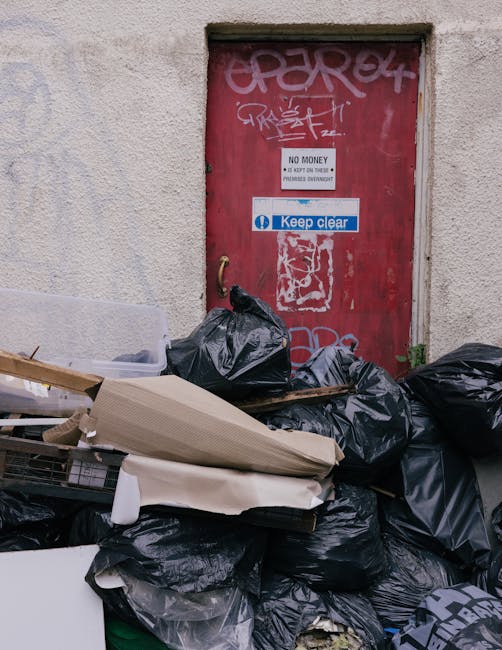
Most problems with bulky waste are not dramatic. They are small, preventable, and a bit annoying. That is exactly why they keep happening.
- Leaving items out too early: This can create obstruction or contravene collection instructions.
- Mixing bulky waste with general rubbish: Some loads need to be separated.
- Ignoring access issues: If the route from property to vehicle is awkward, mention it upfront.
- Assuming all furniture is acceptable as-is: Some items may need dismantling, wrapping, or separate handling.
- Forgetting to check what is excluded: Certain items are often treated differently because of safety or disposal concerns.
One common slip is booking something as "just a sofa" when the real job is sofa plus bed frame plus wardrobe plus assorted bits from the cupboard under the stairs. That is not a sofa job. That is a clear-out. Small distinction, big difference.
If you are worried about costs building up, this practical piece on avoiding hidden rubbish removal costs in Islington is worth a look. It explains the kind of details that often catch people off guard. For business premises, the same logic applies and builders waste disposal in Islington may be relevant if the items come from a renovation rather than normal household use.
Tools, resources and recommendations
You do not need a van full of specialist kit to deal with bulky waste, but a few basic tools and habits help a lot.
- Measuring tape: Useful for checking doors, lifts, and item dimensions.
- Basic screwdriver or Allen key set: Handy for dismantling flat-pack furniture.
- Strong gloves: Especially useful if items have splinters, sharp edges, or dust.
- Sticky labels or masking tape: Good for marking item groups.
- Phone camera: Photos help you keep track of what is going and can make quoting clearer.
For readers comparing service levels, pricing and quotes can help frame expectations before you commit. It is also sensible to review practical details such as insurance and safety and how payments are handled through payment and security.
If you are trying to understand the wider approach to responsible disposal, the page on recycling and sustainability is a useful companion read. It helps you think beyond the immediate collection and into what happens next.
Law, compliance, standards and best practice
Bulky waste is not just a practical matter; there is a compliance angle too. In the UK, waste has to be handled responsibly, and that means using an appropriate route, following local rules, and avoiding illegal dumping. You do not need to become a waste-law expert overnight, but you should understand the basic principle: if you produce the waste, you remain responsible for making sure it is dealt with properly.
Best practice usually includes:
- Presenting items only when and where instructed.
- Keeping shared areas safe and obstruction-free.
- Separating hazardous or specialist items from normal bulky waste.
- Using a service that can explain how waste is handled.
- Keeping a record of booking details and collection arrangements.
For landlords and agents, this matters even more. End-of-tenancy clear-outs can move quickly, and a small mistake can ripple into missed handovers or complaints. If you manage properties around the borough, it helps to stay organised and to plan clear-outs before the pressure peaks. A calm, documented approach is usually best. Not flashy. Just solid.
Readers interested in local identity and day-to-day living may also enjoy resident reviews life in Islington and the broader local perspective in party venue guide for Islington, especially if their bulky waste issue is tied to a move, event, or post-event clear-up.
Options and comparison table
There is more than one way to deal with bulky items. Which route is best depends on time, quantity, access, and how much sorting you want to do yourself.
| Option | Best for | Pros | Trade-offs |
|---|---|---|---|
| Council-style bulky waste collection | Single items or a small number of large household items | Simple for basic jobs, familiar process, good for routine clear-outs | May involve booking constraints, item rules, and limited flexibility |
| Private bulky waste collection | Urgent pickups or awkward access situations | More flexible timing, can handle varied loads, often easier for flats | Cost can vary, so you need clearer quoting and item details |
| Full house clearance | Large clear-outs, bereavement clearances, moves, or long-term declutters | Efficient for multiple items, less admin than item-by-item removal | Usually too much for a tiny job, so it can be overkill |
| Specialist service by waste type | Garden, builders, or office waste | Better sorting and handling for specific materials | Requires choosing the right service from the start |
The practical point is simple: match the method to the mess. A tiny amount of furniture does not need a huge clearance, but a mixed flat full of old belongings usually needs more than a basic pickup. If you are still unsure, rubbish collection in Islington is a sensible starting point for understanding the broader service landscape.
Case study or real-world example
Here is a realistic example from a typical Islington flat move, the kind that happens all the time in late summer. A couple had a double bed, two mattresses, a broken shelving unit, and an old sofa they no longer wanted. At first glance it looked like a quick job. But the building had a narrow stairwell, the lift was small, and the sofa had a fixed frame that would not pass the corner without dismantling.
They paused, measured the doorway, and split the furniture into two groups: what could be carried out safely and what needed to be taken apart. That extra ten minutes changed everything. Instead of a stressful rush on collection day, the items were ready, access was clear, and the pickup ran without friction. Nothing fancy. Just a bit of planning.
The same logic works for office and mixed-use spaces too. If the items are from desks, meeting rooms, or storage areas, a more structured approach is often better than treating it like one loose chair and a couple of boxes. The clue is usually in the volume, not the item type.
If you are dealing with a calendar squeeze or access limitation, the article on delays and booking mistakes for Islington waste service is especially useful. It covers the kind of timing issues that can creep in when everyone is trying to move too quickly.
Practical checklist
Use this checklist before your bulky waste collection. It is simple, but honestly, simple is what works.
- List every item that needs to go.
- Check whether any items need dismantling.
- Measure doorways, stairs, and lift access.
- Confirm where items should be left for collection.
- Keep communal areas free of obstruction.
- Separate bulky items from general household rubbish.
- Check whether your items need special handling.
- Have booking details and timing ready.
- Take photos if you want a clear record.
- Double-check that everyone in the property knows the plan.
If your clear-out is part of a bigger project, you may also want to review about us to understand the broader service approach, or read Angel Station bulky rubbish removal tips for a more local, practical angle. Small details can make the difference between smooth and slightly chaotic. And let's be honest, slightly chaotic is often how these things start.
Conclusion
Bulky waste does not need to be complicated. Once you understand the basics, the job becomes far more manageable: identify the items, follow the right collection rules, prepare access properly, and choose the method that fits the size of the clear-out. That is the heart of Islington Council bulky waste rules explained in plain terms.
The biggest win is not just getting rid of old stuff. It is avoiding delays, preventing clutter from hanging around, and making the whole process calmer for you and everyone else in the building. Whether you are clearing one awkward item or emptying half a room, a little planning goes a long way. Really, that's the whole game.
Get a free quote today and see how much you can save.
And if the job feels bigger than expected, that is perfectly normal. A good plan, a bit of patience, and the right help can turn a messy corner into a fresh start.
 Tipper Van - Rubbish Removal and House Waste Collection Prices in Islington, N1
 Luton Van - Rubbish Removal and House Waste Collection Prices in Islington, N1