Upper Street rubbish collection guide for residents
Posted on 12/10/2026
If you live on or near Upper Street, rubbish can become a bigger practical issue than people expect. Flats fill up fast, shared bins get confused, and bulky items have a habit of appearing just when you least want them to. This Upper Street rubbish collection guide for residents is here to make the whole process simpler, safer, and far less annoying.
Whether you are dealing with everyday household waste, moving house, clearing out old furniture, or trying to work out the best way to dispose of a pile of bags after a busy weekend, the right approach saves time and helps keep the street tidy. Truth be told, a good waste routine makes a noticeable difference in a busy London neighbourhood. It keeps hallways clearer, reduces smells, and avoids that slightly grim moment when a bin lid just will not shut.
In this guide, you will find a clear explanation of how rubbish collection works for residents around Upper Street, what options make sense in different situations, the mistakes to avoid, and how to choose the most practical solution. You will also find useful links to related services and local information, including the full services overview, rubbish collection in Islington, and recycling and sustainability guidance.
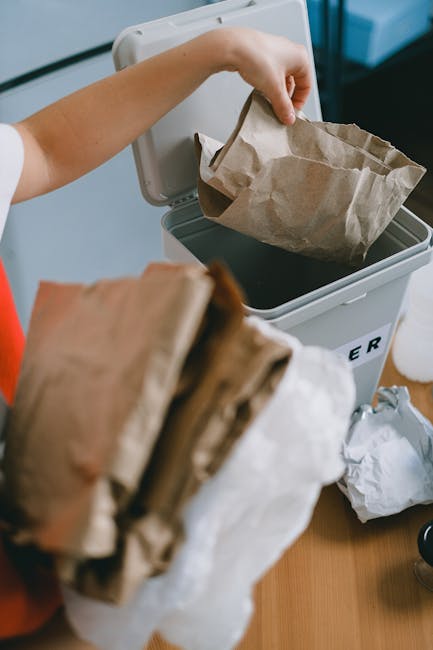
Why Upper Street rubbish collection guide for residents Matters
Upper Street is one of those places where life happens at pace. There are flats above shops, compact homes, shared entrances, side streets, and a constant flow of deliveries, dining, and daily foot traffic. That means rubbish is not just a private housekeeping issue; it becomes part of the wider streetscape. If waste is handled badly, the impact is immediate: blocked access, litter, odours, pests, and a generally worn-down feel.
A sensible collection routine matters for a few reasons. First, it helps you stay organised in a home where storage may be limited. Second, it reduces the chance of missed collections or overflowing bins. Third, it keeps neighbours on side, and that counts for a lot in close-knit buildings. Let's face it, if you have ever carried a heavy bag down three flights of stairs only to discover the communal bin is already full, you know exactly why planning matters.
For residents, the goal is usually not perfection. It is consistency. The best rubbish collection habits are the ones you can actually keep up with week after week. That is where a clear, local guide earns its keep.
How Upper Street rubbish collection guide for residents Works
At street level, rubbish collection tends to fall into a few practical categories: regular household waste, dry mixed recycling, food waste where available, garden waste for those with outdoor space, and bulky or awkward items that do not belong in standard bins. The exact service arrangement can vary depending on property type, building setup, and whether waste is being handled through council systems or a private collection service.
For many residents, the process looks something like this:
- Identify the type and volume of waste you need to remove.
- Check whether it can go in normal household or recycling bins.
- Separate recyclable, reusable, and general rubbish where possible.
- Decide whether the waste is small enough for routine collection or needs an ad hoc pickup.
- Arrange the collection at a time that works with your household or building rules.
- Make sure items are accessible, safe to move, and ready before collection.
That sounds straightforward, and often it is. But the details matter. A bag of mixed household rubbish is not the same as a sofa, broken shelving, or a builder's skip-worth of rubble. For those larger or more specialised jobs, you may need a more tailored solution such as general waste removal in Islington, house clearance support, or even builders waste disposal if renovation work is involved.
If your waste is recurring rather than one-off, a regular routine is usually better than firefighting every few weeks. That is especially true in smaller Upper Street properties where clutter builds quickly. One small overflow becomes two. Then suddenly, the hallway looks like a storage cupboard. Happens all the time.
Key Benefits and Practical Advantages
Good rubbish collection is not glamorous, but the benefits are real and easy to feel day to day. You notice it when bins stop smelling, when the kitchen stays clearer, and when the building does not have that tired, overfull look that makes everyone mildly miserable.
- More space at home: Regular collection prevents clutter from spreading into living areas.
- Better hygiene: Less waste sitting around means fewer smells and reduced pest risk.
- Smoother building life: In shared properties, clear routines reduce disputes over bins and storage.
- Less last-minute stress: A planned collection is far easier than trying to dump heavy bags at the end of a long day.
- Improved recycling: When waste is sorted properly, more can be recovered or reused.
- Safer access: Clear paths, entrances, and stairwells make moving items safer for everyone.
There is also a softer benefit that people often overlook: it simply feels better to live in a well-kept space. A tidy bin area changes the mood of a building. Small thing, maybe. But not really.
For people thinking about moving, renovating, or improving a property, waste management can also support a smoother project overall. If that is where you are headed, you may also find value in these real estate tips for Islington buyers and guidance on selling homes in Islington, because presentation and practicality matter more than people sometimes admit.
Who This Is For and When It Makes Sense
This guide is for anyone living in or around Upper Street who needs a clearer way to manage rubbish collection. That includes people in flats, shared houses, converted buildings, rental homes, and owner-occupied properties with limited storage or awkward access.
It makes particular sense if you are:
- dealing with a weekly overflow of bagged waste;
- trying to clear a room, cupboard, loft, or shed;
- moving in or out of a property;
- managing waste in a shared building;
- planning a renovation or redecorating project;
- sorting garden waste from a small patio or terrace;
- handling office or work-from-home clearance from a domestic property.
It also helps landlords and letting agents who want the property to stay presentable between tenancies. In busy areas, rubbish tends to be one of those things that quietly affects everything else. It is not dramatic, but it is persistent.
If you are looking for a broader picture of the area and how people live here, the posts on life in Islington and resident experiences offer a useful sense of local day-to-day living.
Step-by-Step Guidance
If you want a practical process rather than just general advice, use this simple step-by-step approach. It works well for most Upper Street households, and it keeps decisions from getting muddled.
1. Identify the waste properly
Start by sorting what you have. General household rubbish, recyclable items, food waste, bulky furniture, green waste, and construction debris all need different handling. The more accurately you classify it, the easier the rest becomes.
2. Separate what can be reused or recycled
Before booking any collection, ask whether anything can be donated, reused, repaired, or recycled. A working chair, a usable bedside table, or packaging material may not need to go straight to disposal. That little pause can save space and reduce waste.
3. Estimate the volume
Is it one or two bags, a car boot load, or a roomful of items? Volume matters because it affects how the collection should be handled. A small load may be manageable with standard bins or a one-off pickup. A larger clear-out may need a more complete service such as house clearance or office clearance.
4. Check access and timing
Upper Street properties often have narrow stairwells, shared hallways, or limited outside space. Think about where the waste will be placed, whether it needs to be carried through communal areas, and what time of day is least disruptive. Early mornings can be quieter; late evenings, less so. Common sense goes a long way here.
5. Choose the most suitable collection method
For routine waste, existing bin services may be enough. For bulky waste or urgent removals, a private collection can be the easier route. For heavy renovation waste, a dedicated solution is often safer and more efficient. If you are not sure, the services overview is a helpful place to compare options.
6. Prepare items carefully
Bag loose waste, flatten cardboard, secure sharp edges, and keep heavy items stable. If possible, place everything in one spot so collection is quicker and safer. A tidy pile is easier to move than a scattered one. Obvious, yes. Still worth saying.
7. Confirm what happens next
After arranging collection, make sure you understand the timing, any access instructions, and what is included. If pricing is a concern, review pricing and quotes so you can compare your options more confidently.
Expert Tips for Better Results
A few small habits can make rubbish collection much easier in a place like Upper Street, where space is often at a premium and busy schedules are the norm.
- Keep one "outgoing" area at home: A designated corner for items waiting to be collected stops waste spreading across the flat.
- Fold, flatten, or dismantle where safe: Cardboard boxes, table legs, and similar items take far less space once broken down.
- Use sturdy bags and containers: Cheap bags split at the worst moment, usually on the stairs. Not ideal.
- Plan around peak building activity: Avoid the rush hour of household life if you can. Shared buildings run more smoothly when bins are moved at sensible times.
- Think in categories, not just in piles: Recyclables, rubbish, and bulky items should never be mixed if you can help it.
- Take photos before a big clearance: This helps you remember what needs to go and makes it easier to communicate with a collection provider.
For greener habits, it is worth reading more about recycling and sustainability. A little extra effort on sorting can make a real difference, and it usually reduces waste chaos too.
One practical tip that sounds minor but matters: keep a few spare bags, labels, and a marker pen in the same cupboard. The boring stuff is often the stuff that saves the day.
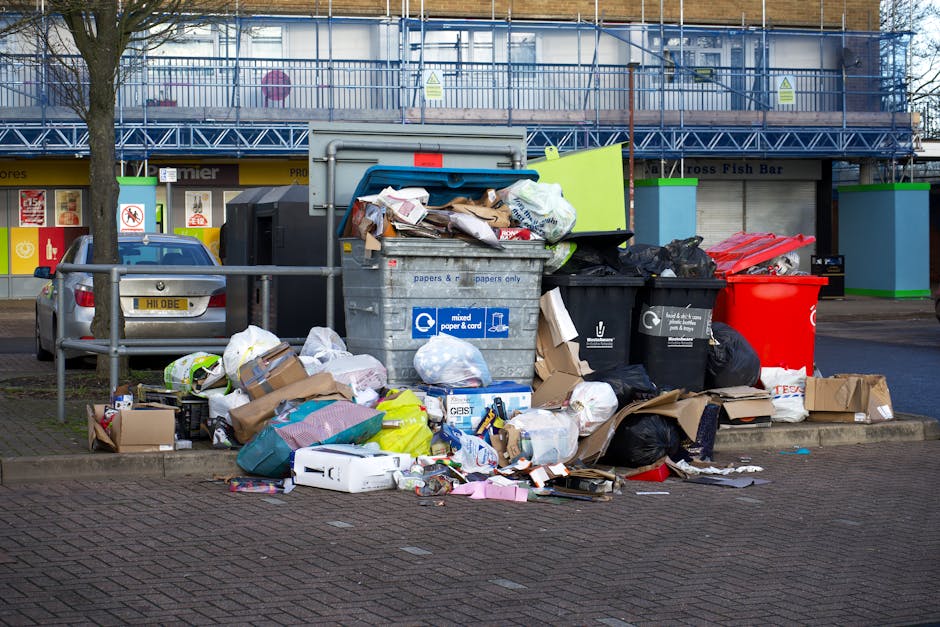
Common Mistakes to Avoid
Rubbish collection problems usually come from avoidable mistakes rather than big disasters. The good news is that most of them are easy to fix once you know what to look for.
- Mixing different waste types: General waste, recyclables, and construction debris should be handled separately where possible.
- Leaving collection until the last minute: This is how hallways get blocked and deadlines turn messy.
- Overfilling bags: Heavy, overpacked bags split and are difficult to move safely.
- Assuming bulky items can go out with normal bins: Sofas, mattresses, and wardrobes usually need separate handling.
- Ignoring access issues: If a large item cannot fit through the stairwell, you need a different plan before collection day.
- Forgetting about neighbours: Shared spaces are shared. Keeping them clear and tidy avoids complaints.
The other mistake is less obvious: people sometimes choose the cheapest-looking option without checking what is actually included. That can lead to awkward surprises. A better approach is to look at the full service, not just the headline figure.
If safety is part of your concern, especially with lifting or heavier waste, take a moment to review insurance and safety information. It is one of those pages you hope you never need, until you do.
Tools, Resources and Recommendations
You do not need much equipment to manage everyday rubbish well, but a few basic tools can make the job less awkward.
- strong refuse sacks for general waste;
- recycling boxes or labelled containers;
- a folding trolley or hand truck for heavier items;
- gloves for sharp or dirty materials;
- tape, cord, or reusable straps for bundling items;
- a marker and labels for sorting items before collection;
- a tape measure if you need to check whether furniture will fit through doors or stairwells.
For residents who want a broader service choice, the most useful next pages are usually waste removal in Islington, garden waste removal for outdoor jobs, and builders waste disposal if the issue is renovation-related.
If you are comparing providers, it also helps to understand how they handle payment, booking, and security. The pages on payment and security and terms and conditions can be useful for that. A bit dry, perhaps, but worth a quick read.
Law, Compliance, Standards, or Best Practice
For residents, the main thing is to dispose of waste responsibly and avoid creating a nuisance or hazard. In the UK, waste should generally be managed in line with accepted environmental and safety practice, and anyone handling waste professionally should do so lawfully and carefully. You do not need to become an expert in regulations, but it does help to understand the basics.
Best practice usually means:
- sorting waste sensibly before collection;
- keeping hazardous or specialist items separate from normal rubbish;
- avoiding fly-tipping or leaving waste where it blocks access;
- using a reputable collection service for larger or awkward loads;
- making sure items are moved safely and without damage to communal areas.
For items such as paint, chemicals, fridges, or other awkward materials, do not guess. Check the accepted disposal route first. If you are unsure, ask a provider directly rather than assuming it is fine. It is a tiny extra step that can prevent a lot of hassle.
Responsible disposal also ties into wider ethics. If you want to learn more about the company's standards and operating approach, see about us and the related policy pages, including privacy policy and accessibility statement.
Options, Methods, or Comparison Table
Different waste situations call for different approaches. The right choice depends on speed, volume, access, and how much hands-on effort you want to put in yourself.
| Option | Best for | Strengths | Trade-offs |
|---|---|---|---|
| Routine household bin collection | Regular everyday waste | Simple, familiar, low effort | Not suitable for bulky or large volumes |
| Self-sorting and recycling drop-off | Residents with time and transport | Good for separation and sustainability | Takes effort and planning |
| Private rubbish collection | One-off or urgent collections | Convenient, flexible, less hassle | Usually more expensive than doing it yourself |
| House clearance service | Full flat, move-out, or deceased estate clearances | Comprehensive and time-saving | May be more than you need for small jobs |
| Specialist waste removal | Builders waste, garden waste, office items | Handles awkward material properly | Requires clearer job specification |
A simple rule of thumb: if the waste is small and predictable, use the most straightforward route. If it is bulky, mixed, urgent, or difficult to move, a more tailored service is usually worth it. No drama, just practicality.
Case Study or Real-World Example
Imagine a resident in a Upper Street flat who has just finished a room refresh. There are old shelves, three bags of broken-down packaging, a small rug, and a chair that has seen better days. At first glance, it feels manageable. Then the person remembers the narrow staircase, the shared entrance, and the fact that the communal bin area is already full on weekday mornings.
What usually works best in that situation is a short plan, not a heroic effort. The resident separates what can be recycled, folds cardboard flat, checks whether the chair can be reused or donated, and then books a suitable collection for the remaining waste. The whole flat stays livable, the stairs stay clear, and nobody has to drag a wobbly pile through the hallway at 7 p.m. while balancing a takeaway coffee. Which, frankly, is not the dream.
That kind of approach is especially useful in Upper Street's mixed housing stock, where one building may have ground-floor access and the next has a tight staircase and very little storage. The exact same load can be easy in one place and awkward in another. That is why local judgement matters more than generic advice.
If the job is bigger, or you are dealing with a near-emptying of a flat, it may be worth looking beyond a standard pickup and into house clearance options. The difference is less about "big versus small" and more about "what is actually the cleanest, safest way to get it done?"
Practical Checklist
Use this checklist before you arrange collection. It keeps the process calm and avoids the usual last-minute scramble.
- Have I identified the type of waste correctly?
- Can anything be reused, donated, or recycled first?
- Have I estimated the volume accurately?
- Are there any sharp, heavy, or hazardous items?
- Will the waste fit through doors, stairwells, and communal areas?
- Have I checked whether the building has any access rules?
- Do I need a one-off pickup, regular collection, or a specialist service?
- Have I reviewed pricing, timing, and what is included?
- Is the waste packed securely and ready to move?
- Have I considered safety for myself and anyone helping?
If you can tick most of those boxes, you are in good shape. If not, pause and sort the weak points before collection day. It saves trouble later.
Conclusion
Managing rubbish on Upper Street does not need to be complicated. Once you understand the type of waste you have, the space you are working with, and the most sensible collection method, everything becomes much easier. Good rubbish collection is really about keeping your home manageable and your shared spaces respectful.
The best results come from simple habits: sort early, keep items accessible, choose the right service for the job, and avoid leaving awkward waste until it becomes a bigger problem than it needs to be. Small routines, done consistently, make a surprising difference. And in a busy part of London, that calm efficiency is worth a lot.
If you are comparing services or planning a clear-out, it is sensible to look at the details, not just the headline. A little planning now can save you time, money, and a fair bit of stress later on.
Get a free quote today and see how much you can save.
When your home feels clear, the whole day tends to feel lighter too.
 Tipper Van - Rubbish Removal and House Waste Collection Prices in Islington, N1
 Luton Van - Rubbish Removal and House Waste Collection Prices in Islington, N1