Waste disposal compliance for Islington landlords
Posted on 04/10/2026

If you let property in Islington, waste is one of those things that can quietly turn into a problem. A tenant leaves a mattress in the hallway. A refurbishment creates a pile of rubble. A shared bin store gets overloaded on a hot afternoon and, well, the smell does the rest. Waste disposal compliance for Islington landlords is about making sure those situations are handled properly, legally, and without upsetting neighbours, tenants, or the council.
In practice, this means understanding what counts as household waste, what counts as landlord or commercial waste, how fly-tipping risk creeps in, and what good record-keeping looks like. It also means knowing when you need a licensed waste carrier, when a builder's skip makes sense, and how to avoid the kind of mistakes that lead to complaints or fines. Let's face it, most landlords do not want to become an unwitting waste manager. This guide breaks it down clearly, with practical steps you can actually use.
Why Waste disposal compliance for Islington landlords Matters
Waste compliance is not just a tidying-up exercise. For landlords, it sits right at the intersection of property management, tenant relations, and local responsibility. In a borough like Islington, where many homes are flats, conversions, and shared buildings, rubbish can become visible fast. One missed collection, one abandoned sofa, one pile of bags left beside a bin store and suddenly the whole building feels neglected.
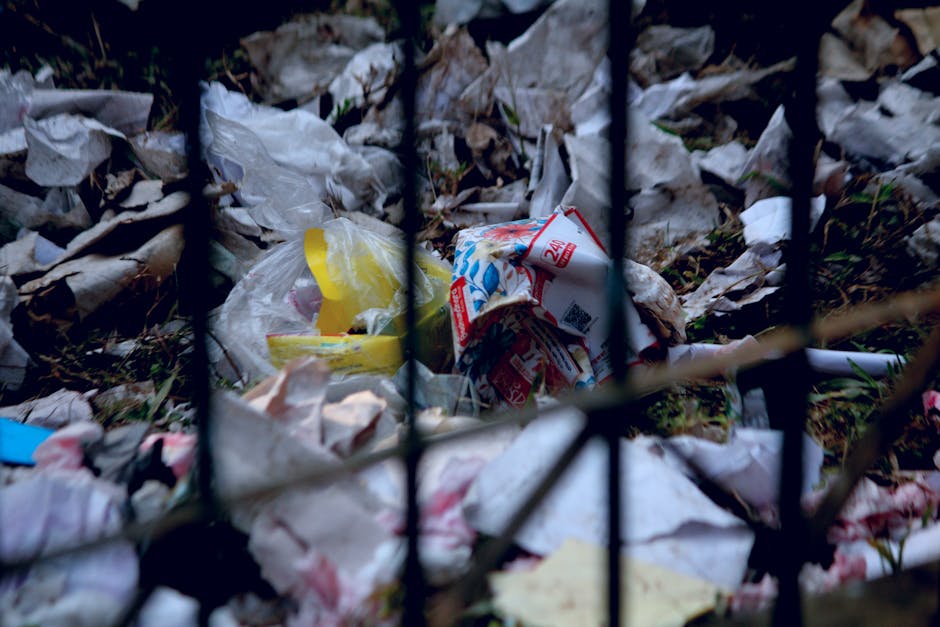
The risks are practical as well as legal. Poor waste handling can lead to pests, blocked access routes, complaints from neighbours, and fly-tipping in communal areas. If waste is left on the pavement, or dumped by someone using your property without proper control, the problem can reflect back on you as the landlord. Not always fairly, but that is how it works in the real world.
There is also a reputation issue. Good tenants notice when a landlord is organised. They notice when bin stores are clean, instructions are clear, and bulky items are dealt with quickly. Bad waste management makes a property feel chaotic. Good waste management makes it feel looked after. Small detail, big effect.
Key point: compliance is not only about avoiding fines. It is about protecting the building, keeping residents happy, and reducing the chance of a mess becoming a costly dispute.
How Waste disposal compliance for Islington landlords Works
At a basic level, compliance means waste is stored, separated, moved, and disposed of in a lawful and responsible way. That sounds straightforward, but the details matter. Different waste streams need different handling, and landlords often deal with more than one type at the same time.
Here is the usual split:
- Household waste: day-to-day rubbish from tenants, usually handled through normal collection arrangements.
- Bulky waste: items like mattresses, wardrobes, sofas, and broken appliances that need special removal.
- Construction or refurbishment waste: plasterboard, timber, packaging, tiles, and rubble from works.
- Mixed or contaminated waste: bags containing a bit of everything, which are harder to sort and may cost more to remove.
- Garden waste: relevant for houses with outdoor space or properties with communal planting areas.
In a managed block, the landlord or managing agent also needs to think about shared bins, storage capacity, and access for collection. If the collection crew cannot reach the bins because a car is blocking the entrance, that is a simple operational issue, but it can still create a recurring compliance headache. Annoying, yes. Common, also yes.
For anything removed by a waste contractor, the contractor should be properly authorised to carry waste. That part matters more than many landlords realise. If waste ends up dumped illegally after being collected from your property, the paper trail becomes important. You need to be able to show who took it, when, and on what basis.
For practical planning, many landlords also connect waste management with wider property maintenance. For example, if a tenant move-out involves clearance, you may use a service such as house clearance in Islington or arrange waste removal in Islington for items that are too large for normal collection. For building works, builders waste disposal in Islington is often the more sensible route.
Key Benefits and Practical Advantages
When waste disposal is handled properly, the benefits show up in small ways first. The bin store stays usable. The hallway smells like a hallway, not a skip. Complaints slow down. Then, over time, the bigger benefits become obvious too.
- Lower compliance risk: you are less exposed to problems caused by illegal dumping or poor waste control.
- Better tenant experience: residents are less frustrated when bins are well managed and bulky waste disappears promptly.
- Cleaner communal areas: this is especially important in flats and HMOs, where shared space can deteriorate quickly.
- Stronger property presentation: a clean exterior helps with inspections, viewings, and long-term asset value.
- Fewer neighbour issues: waste disputes are one of those annoying little things that can become big if ignored.
- More efficient maintenance planning: once you have a process, clear-outs and repairs become easier to schedule.
There is a practical advantage too: good waste compliance saves time. A landlord who has a clear process for move-outs, refurb jobs, and fly-tipping reports spends less time firefighting. That alone is worth something.
And yes, some of the benefit is simply peace of mind. You know the property is being handled properly. That matters, even if it does not show up on a spreadsheet.
Who This Is For and When It Makes Sense
This topic is relevant to a wide range of landlords, but especially the ones dealing with busy or high-turnover properties. If your building has multiple tenants, shared bins, or regular move-ins and move-outs, waste management deserves a real system rather than a vague "we'll sort it later" approach.
It makes particular sense for:
- Buy-to-let landlords with single lets or small portfolios in Islington
- HMO landlords where multiple households generate more waste and more confusion
- Managing agents responsible for shared bin stores and communal areas
- Landlords carrying out refurbishments between tenancies
- Landlords dealing with tenant abandonment or end-of-tenancy clearances
- Freeholders and leasehold managers who need tidy common parts and predictable collections
If your property rarely changes hands and tenants are tidy, you may only need basic controls. But if you have older flats, narrow access, or inconsistent tenant behaviour, the risk rises quickly. The same applies if your building sits on a busy street where waste can attract unwanted attention. You can almost feel that familiar London pressure on bin day, with bags squeezed around a half-full store and everyone hoping for the best.
For landlords who want to improve the wider condition of their properties, it can help to think about waste as part of a broader management picture. Resources such as services overview and recycling and sustainability can support a more organised approach, especially where environmental responsibility is also part of the brief.
Step-by-Step Guidance
If you want a workable system, start simple. The aim is not to build a huge policy folder that nobody reads. The aim is to make the right thing the easy thing.
- Identify the waste types your property produces.
Look at day-to-day rubbish, recycling, bulky items, garden waste, and anything created by repairs or refurbishments. A one-bed flat and a six-person HMO do not need the same setup. - Check the bin capacity and storage space.
If bins overflow regularly, the issue may be storage or collection frequency, not tenant behaviour alone. Sometimes both, to be fair. - Set clear tenant instructions.
Tell tenants where bins are stored, what goes where, when collection happens, and what to do with large items. Clear, short instructions beat long ones every time. - Choose the right disposal route.
Use normal collections for domestic waste, and a licensed waste contractor for bulky or non-standard waste. For move-out jobs, a dedicated clearance service is often more efficient than trying to piece it together yourself. - Keep evidence.
Hold onto invoices, collection notes, and contractor details. If there is ever a query, that record can be genuinely useful. - Inspect regularly.
Do a quick visual check during property visits or maintenance rounds. A minute at the bin store can save a week of hassle later. - Act fast on problem waste.
If you see abandoned items, do not leave them sitting. The longer they remain, the more likely they are to become fly-tipping bait or a complaint magnet.
A simple routine works best. Monday morning inspection. Ten-minute check. Note anything odd. That kind of rhythm is often enough to catch issues before they snowball.
Expert Tips for Better Results
Here is the bit that tends to save landlords time and stress in the long run.
Make waste rules visible, not hidden
If tenants need to hunt through a welcome pack to find bin instructions, the system will fail. Put the basics where people can actually see them: in the tenancy pack, on a notice in the bin store, and in a short move-in message. People behave better when the instructions are right in front of them.
Treat move-outs as a waste event
End-of-tenancy days create the most waste pressure. Broken chairs, leftover packaging, old carpets, random kitchen bits nobody wants. Build a standard move-out process so you are not improvising every time. It sounds obvious. It often is not.
Separate "tenant waste" from "landlord waste"
Repairs and refurbishments belong in a different bucket from normal domestic rubbish. That distinction helps you choose the right disposal method and avoid mixing materials that should not be sent together.
Plan for access, not just collection
In Islington, access can be half the battle. Narrow roads, parked cars, shared gates, basement entrances, and stair-heavy buildings all affect how waste gets out. If a contractor cannot easily reach the waste, everything takes longer. A bit frustrating, but predictable.
Use a single point of contact
If you work with multiple contractors or agents, nominate one person who is responsible for waste decisions. It avoids crossed wires, duplicated bookings, and the classic "I thought someone else had sorted it" problem.
Common Mistakes to Avoid
Most waste problems do not come from one huge failure. They come from lots of tiny oversights piling up. The good news? Most are avoidable.
- Leaving bulky items beside bins: this looks messy, invites complaints, and can be treated as dumped waste.
- Using the wrong contractor: if a waste carrier is not properly authorised, you could inherit the consequences.
- Assuming tenants understand the rules: never assume. People come from different buildings, boroughs, and habits.
- Ignoring recurring overflow: repeated bin overflow usually means a structural issue, not just "bad luck."
- Skipping records: without evidence, you have less protection if something goes wrong.
- Mixing construction waste with domestic rubbish: that can create extra cost and complication, and sometimes refuse from contractors.
- Delaying action on fly-tipping: a mattress left for a day can become a pile of more mattresses. Strange how that happens.
One common real-world issue is the half-solved clearance job: a landlord removes the obvious items but leaves smaller debris behind. It looks "nearly done," which is actually the worst kind of done. If you are going to clear a space, clear it properly.
Tools, Resources and Recommendations
You do not need a fancy system, but you do need something repeatable. A few simple tools can make compliance much easier.
- Property inspection checklist: keep one for bin stores, rear access, communal areas, and abandoned items.
- Photo log: time-stamped photos can help show what was present before and after a clearance.
- Tenant welcome note: a short waste guide is often enough if it is written clearly.
- Contractor file: store invoices, booking notes, and any waste transfer paperwork you receive.
- Move-out checklist: useful for renewals, check-outs, and end-of-tenancy jobs where waste often appears suddenly.
If you need broader support, it can help to browse the site's related services and guidance, especially the pages on rubbish collection in Islington, same-day rubbish collection in Islington, and avoiding hidden rubbish removal costs. Those pages are useful when speed, access, or budgeting become part of the decision.
For landlords with unusual access or shared building restrictions, flat access problems for rubbish collection in Islington and delays and booking mistakes are worth a look. They address the stuff that tends to trip people up in the real world, not just on paper.
Law, Compliance, Standards, or Best Practice
Waste disposal for landlords sits within UK waste duty-of-care expectations and local collection arrangements. In plain English, that means you are expected to take reasonable steps to make sure waste from your property is handled correctly, stored appropriately, and handed to the right people. If you arrange disposal, it is wise to use a legitimate waste carrier and keep records of what was removed.
There are a few practical standards worth following even when the rules are not spelled out in the smallest detail:
- Use licensed or appropriately authorised waste carriers for non-domestic disposal needs.
- Keep waste separate where possible so recyclable material, bulky items, and construction waste are not mixed unnecessarily.
- Document collections and clearances with invoices or transfer notes where available.
- Do not leave waste in public places expecting it to "disappear later." That often becomes someone else's problem, or yours.
- Manage shared spaces proactively so tenants have a fair chance of complying with the system.
Best practice is often more important than minimum compliance. A landlord may be technically compliant but still face repeated complaints because the bin store is badly designed or instructions are unclear. That is why practical management matters. Compliance is the floor, not the ceiling.
For landlords with building works, the distinction between domestic waste and construction waste is especially important. A small bathroom refit can generate enough material to need a proper clearance plan. If you are unsure, it is usually safer to treat it as a specialist disposal job rather than guess. Guessing with waste is rarely a good hobby.
Options, Methods, or Comparison Table
Not every waste problem needs the same answer. The right method depends on volume, timing, access, and the type of waste involved. Here is a simple comparison to help you choose.
| Option | Best for | Strengths | Limitations |
|---|---|---|---|
| Normal council collection | Routine household waste | Simple, familiar, and usually the default for tenants | Not suitable for bulky items or irregular disposal needs |
| Private waste collection | Quick removal, awkward access, or mixed household waste | Flexible timing and useful when bins are overflowing | Must be chosen carefully to avoid poor service or weak records |
| House clearance | End-of-tenancy clearouts, abandoned contents, full-property jobs | Efficient for large volumes and leftover items | May be more than you need for a small disposal task |
| Builders waste disposal | Refurbishments and repairs | Suited to rubble, timber, packaging, and mixed trade waste | Needs good sorting and planning if the site has limited access |
| Garden waste removal | Outdoor maintenance and overgrown shared spaces | Handy for seasonal clear-ups and landscaping leftovers | Less relevant for flats without outdoor space |
If you want to compare service types in more detail, the page on pricing and quotes can help with budgeting before you book anything. That matters more than people think. A rushed booking is where extra costs often sneak in.
Case Study or Real-World Example
Here is a realistic scenario. A landlord in a converted Islington terrace lets out three flats. After a tenant move-out, the basement flat is left with a broken wardrobe, a mattress, several black bags, and a bit of DIY debris from shelves that were removed. The landlord also notices that the communal bin store is already full halfway through the week.
At first, the temptation is to drag everything outside and hope it disappears with the next collection. That is the kind of shortcut people take when they are busy. But the better approach is simple: separate the domestic waste from the bulky items, arrange proper removal for the larger pieces, photograph the condition before and after, and leave a short note for the incoming tenant about bin use.
What changed? The hallway stopped smelling stale, the bin store became usable again, and there were no neighbour complaints about items being left beside the building. More importantly, the landlord now had a repeatable move-out routine for the next tenancy. Not flashy. Just effective.
That is usually how compliance improves in practice. Not through huge policy documents. Through one decent system, used consistently.

Practical Checklist
Use this as a quick landlord check before and after clearances or tenancy changes.
- Confirm what waste has been produced: household, bulky, refurbishment, or garden waste
- Check whether the normal bin arrangement can handle it
- Make sure tenants know where waste should go
- Arrange a licensed or suitable disposal method for non-routine waste
- Keep invoices, collection notes, and contractor details
- Photograph any abandoned items or problem areas
- Inspect bin stores, access routes, and communal spaces after collection
- Remove remaining debris rather than leaving "just a little bit" behind
- Review whether the property needs clearer waste instructions next time
If you can tick off most of those items, you are already ahead of many landlords. Seriously, that is half the battle.
Conclusion
Waste disposal compliance for Islington landlords is not glamorous, but it is one of those basics that keeps a property running smoothly. Handle it well and you reduce complaints, protect your building, and avoid avoidable problems. Ignore it, and waste becomes one more thing that chips away at your time and patience.
The good news is that the process does not need to be complicated. Know your waste types, choose the right disposal route, keep records, and make the instructions easy for tenants to follow. That combination does most of the heavy lifting. The rest is just good habits, repeated properly.
Get a free quote today and see how much you can save.
And if you build a simple, reliable system now, future you will probably say thank you. Maybe not out loud. But definitely.
 Tipper Van - Rubbish Removal and House Waste Collection Prices in Islington, N1
 Luton Van - Rubbish Removal and House Waste Collection Prices in Islington, N1